The Masters: A hole-by-hole guide of Augusta National Golf Club
Published:












A hole-by-hole course guide to Augusta National Golf Club, home of The Masters.
Today’s Golfer’s 2023 Major coverage is brought to you in association with TaylorMade.
JUMP TO HOLE: 1 | 2 | 3 | 4 | 5 | 6 | 7 | 8 | 9 | 10 | 11 | 12 | 13 | 14 | 15 | 16 | 17 | 18 |
There are iconic sporting venues all over the world: Wembley Stadium, Santiago Bernabéu, Center Court at Wimbledon, the Maracanã, Madison Square Garden… We could go on, but for golfers, not many venues come close to the prestige of Augusta National Golf Club, the home of The Masters.
The special tree-lined drive down Magnolia Lane is nothing short of breathtaking. In the distance is the Augusta National clubhouse, built in 1854 to serve as the home of indigo plantation owner Dennis Redmond. The iconic three-story building is believed to be the first concrete house built in the American South.

Baron Louis Berckmans, a Belgian horticulturist, brought the 365-acre property in 1857. Together with his son, Prosper Julius Alphonse, he established Fruitland Nurseries. By the time Jones and Roberts discovered the place in 1931, the charter for the nursery had long expired.
Jones retired from the competitive golf game and focused on pursuing the dream of developing a course fit to host a major. He achieved that goal in 1934 when Augusta National opened its gates for the inaugural Masters Invitational Tournament, its course created by Jones, Roberts, and the Yorkshire architect Alister MacKenzie, who took his inspiration from The Old Course at St. Andrews.
The hole names at Augusta National pay tribute to its former life as a plant nursery under the supervision of Baron Louis Berckmans and it was him that decided where to plant all the 18 different varieties of plants that the holes are named after.
Augusta National Hole Names
Hole 1: Tea Olive – Par 4: 445 yards
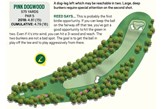
Hole 2: Pink Dogwood – Par 5: 575 yards
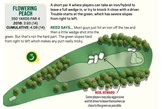
Hole 3: Flowering Peach – Par 4: 350 yards
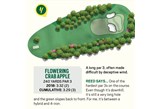
Hole 4: Flowering Crab Apple – Par 3: 240 yards
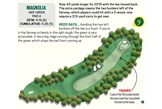
Hole 5: Magnolia – Par 4: 495 yards
Hole 6: Juniper – Par 3: 180 yards
Hole 7: Pampas – Par 4: 450 yards
Hole 8: Yellow Jasmine – Par 5: 570 yards
Hole 9: Carolina Cherry – Par 4: 460 yards
Hole 10: Camellia – Par 4: 495 yards
Hole 11: White Dogwood – Par 4: 520 yards
Hole 12: Golden Bell – Par 3: 155 yards
Hole 13: Azalea – Par 5: 545 yards
Hole 14: Chinese Fir – Par 4: 440 yards
Hole 15: Firethorn – Par 5: 550 yards
Hole 16: Redbud – Par 3: 170 yards
Hole 17: Nandia – Par 4: 440 yards
Hole 18: Holly – Par 4: 465 yards
Augusta National Course Guide

Hole No.1: Tea Olive
Par 4: 445 Yards
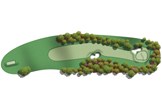
Getting off to a good start is vital for any golfer, let alone the best in the world. The first at Augusta is a slight dog-leg right, played uphill. Drives to the left can easily find the trees, and take care to avoid the bunker up the right as it makes the approach shot into an undulating green much harder. A precise second shot will keep you in high spirits but sadly a poorly struck approach may leave you struggling to get down in two.
The first hole has a reputation for being notoriously difficult, with a scoring average of 4.24 making it the sixth-hardest hole on the course. Tea Olive is certainly a hole golfers will want to escape with a four and get to the second tee unscathed.

Hole No.2: Pink Dogwood
Par 5: 575 Yards
The difficult first hole is followed up by the rather forgiving second hole at Augusta National. It is a downhill dog-leg left par-5 that is reachable in two for most players. If you can hit the fairway off the tee your ball will be in a prime position for the approach shot. The green is well protected by two rather large deep bunkers making for a tricky shot into the green no matter where your tee shot ends up.

Lots of the pros will tell you that these bunkers are not a bad spot, and they fancy getting up and down from there for a birdie-four. The first chance for a birdie or better comes on the second and many would see it as a missed opportunity if they didn’t, with the rare under-par scoring average of 4.78 making it the third-easiest hole on the course.

Hole No.3: Flowering Peach
Par 4: 350 Yards
The third is another scoring opportunity early in the round at only 350 yards. A short par 4 where many players take an iron/hybrid off the tee to put themselves in a good position for a full wedge approach shot into a tricky green. Some golfers may bypass the danger of the fairway bunkers and the longer approach shot by hitting driver as close to the green as possible.
The green on the third slopes from right to left with a bunker guarding the left side; wherever the ball ends up, golfers are left with a tricky putt to the hole. Even though the green is challenging, it’s still a good opportunity for players to move up the leaderboard, with a scoring average of 4.08 (14th hardest). The third is the least changed hole on the course thanks to architects of Augusta Alister Mackenzie and Bobby Jones believing it is nearly perfect in its design.

Hole No.4: Flowering Crab Apple
Par 3: 240 Yards
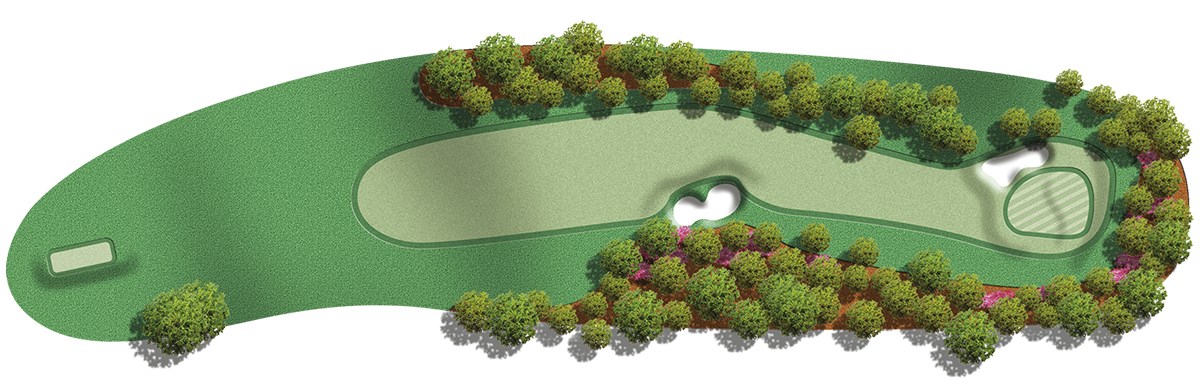
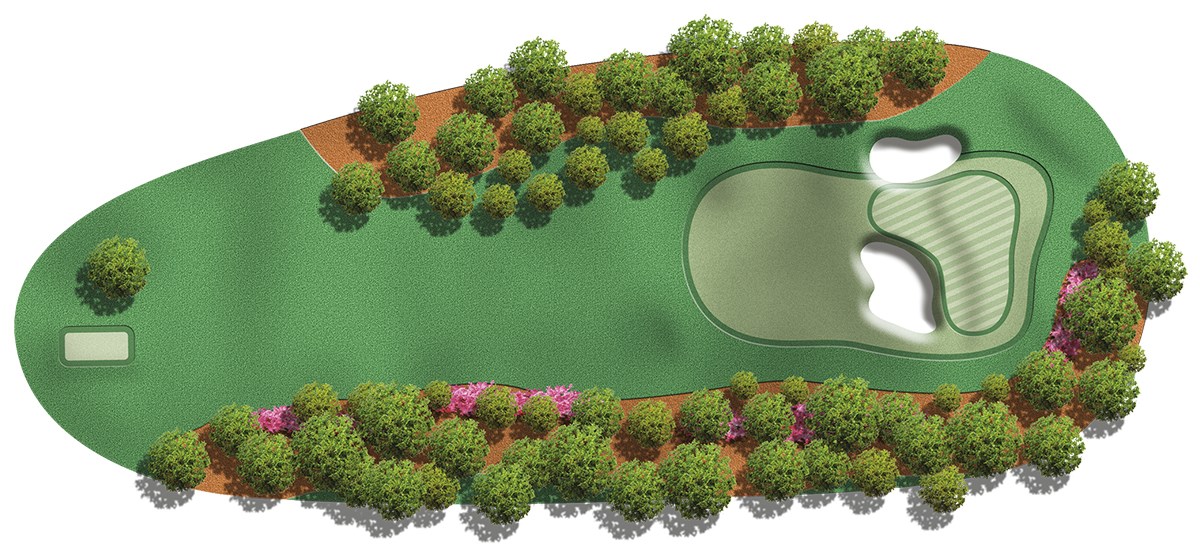
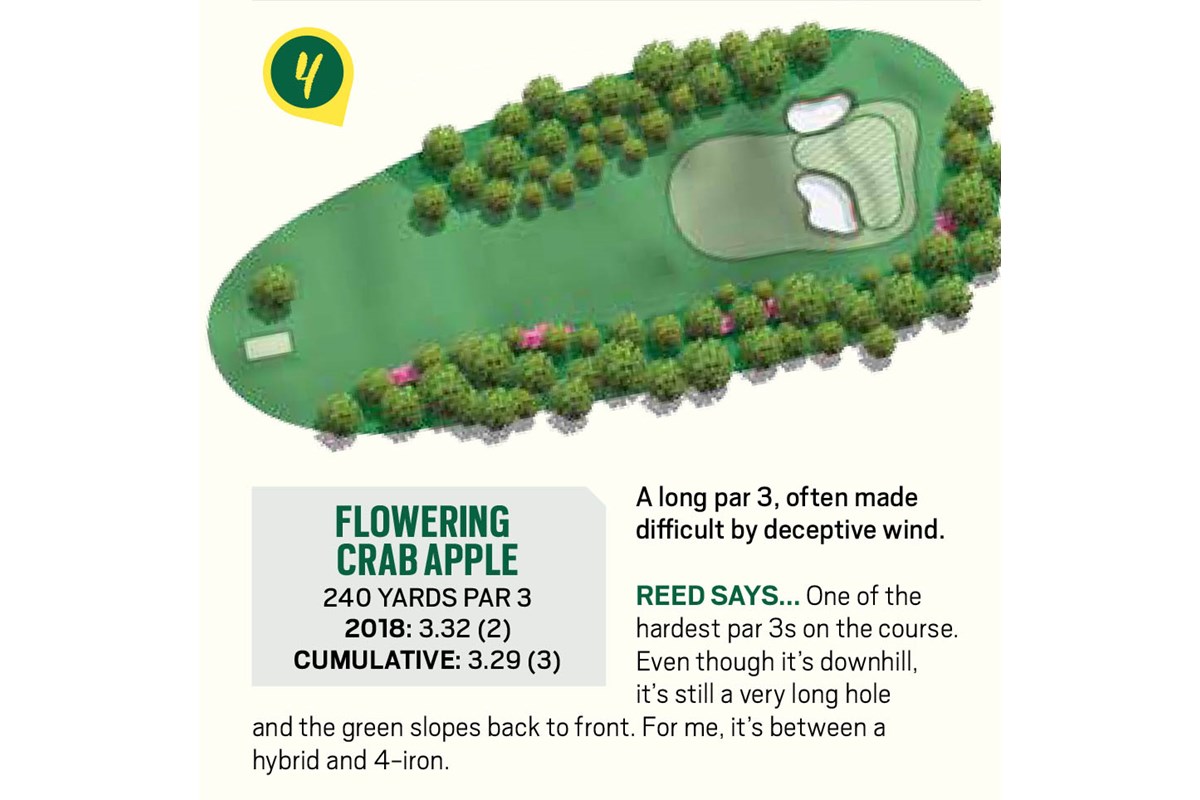
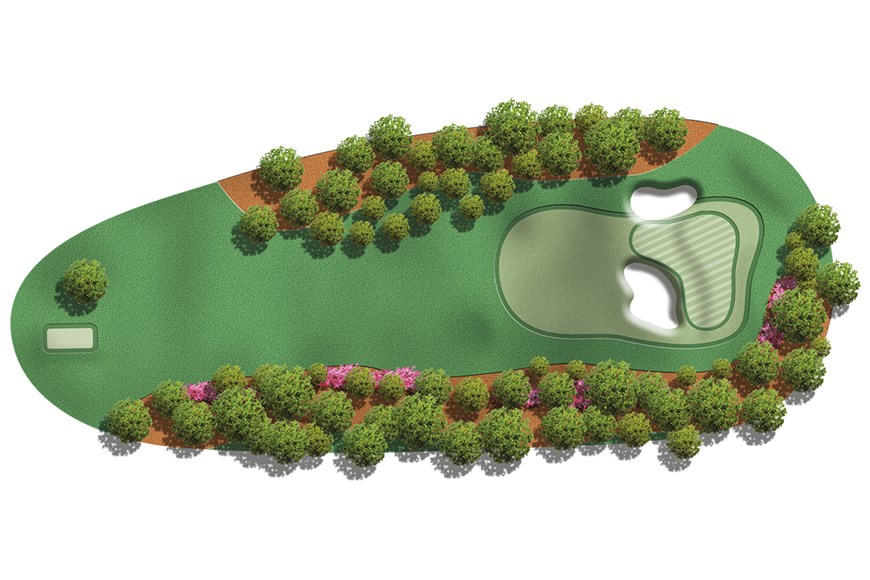
The first par 3 at Augusta National comes on Flowering Crab Apple, the beautifully named fourth hole. Coming in at 240 yards the hole is certainly one of the fiddliest on the course and to escape with a par is a job well done. Two bunkers at the front right and left guard a green that slopes from back to the front, and the hole can be made even more difficult with the deceptive wind.
With a back pin location, this hole can prove rather horrible when you have to try to get the ball on the back shelf. This is why historically the scoring average comes in at 3.28 making it the third hardest hole on the course. Leaving golfers wanting to get the ball on the green and two-putt their way onto the fifth tee box without tarnishing the scorecard.

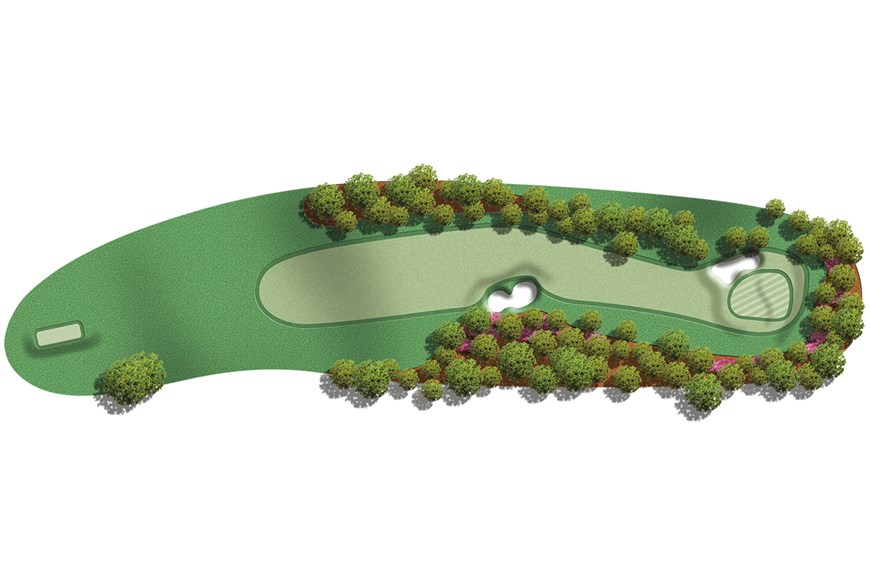
Hole No.5: Magnolia
Par 4: 495 Yards
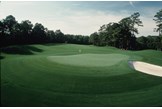
Taking inspiration from the Road Hole at St. Andrews Old Course, Magnolia, the fifth hole here at Augusta National is dangerous from tee to green. Back in 2019, the tee box was moved to make the hole 40 yards longer. The extra yardage has changed the hole significantly, making the fairway bunkers which used to be hit with a 3-wood, now require a 313-yard carry to get over the top of them.

The fifth is an uphill dogleg left and if you find the deep fairway bunkers golfers are left with a hard approach into a green that slopes back to the front, with a bunker at the rear that catches any shots that go long making for a tricky up and down. With the extra yardage and a scoring average of 4.26 (5) a par or better on the fifth will put a smile on any player’s face.

Hole No.6: Juniper
Par 3: 180 Yards
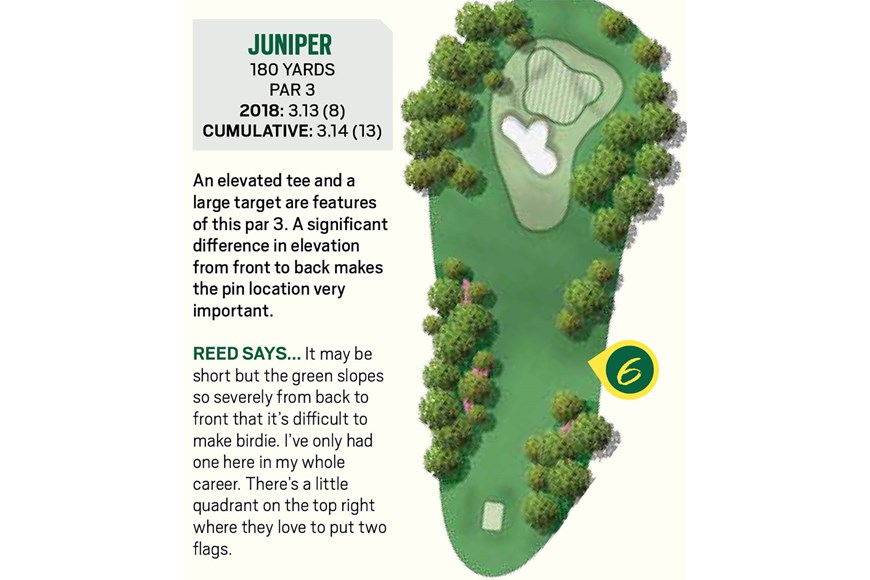
The second par 3 of the day is a little more straightforward. An elevated tee box stares at a large undulating green, which may be easier to land on thanks to its size, but with it sloping from back to front and a range of elevation changes understanding where to land for the pin location is key.
The green has protection from a large bunker at the front left, but shouldn’t come into play too much with a couple of the pin positions, as they favor a shelf in the top right of the green. It can be hard to birdie but with it being more straightforward than a few holes getting on the green and two-putting should be easy for most players. A scoring average of 3.14 (13) means the sixth is one of the easier holes around Augusta National.

Hole No.7: Pampas
Par 4: 450 Yards
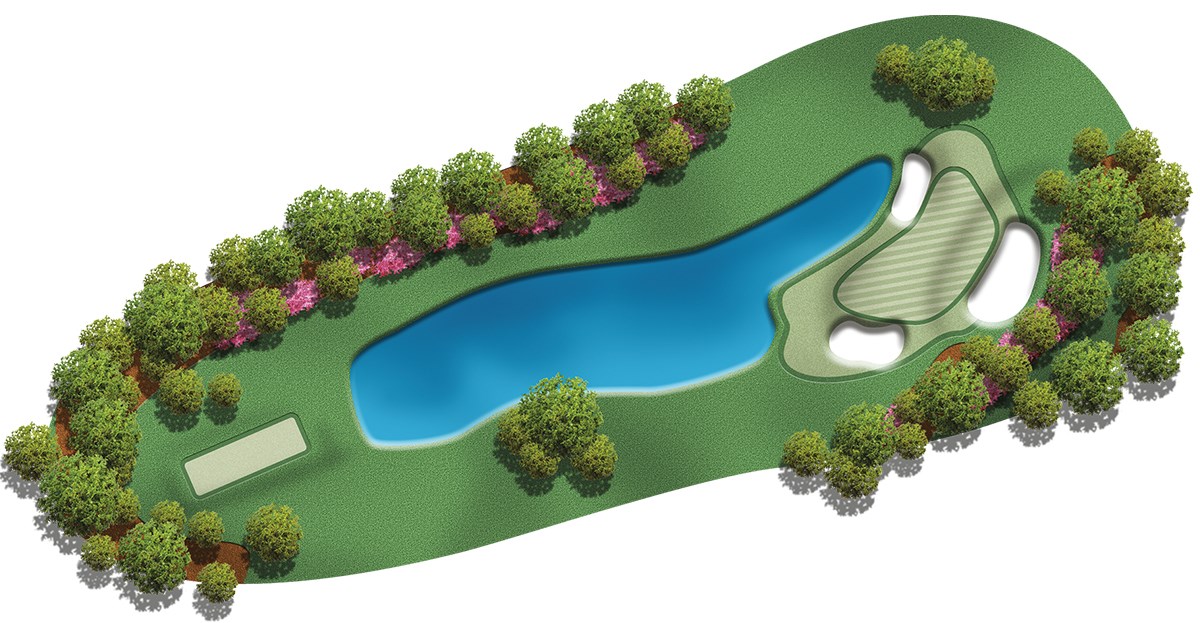
With it being one of the narrowest holes on the front nine, on the seventh it’s vital that you find the fairway off the tee in order to give yourself a chance to hit the green with your approach shot. Players often aim for the left center of the fairway to play the second shot off of a flat lie. The second shot is usually played in with a short to mid iron and is crucial that you avoid the five bunkers that surround the green, three at the front, and two at the back.
When the hole was first built it didn’t feature a single bunker from tee to green but two-time Masters champion Horton Smith suggested that the green be rebuilt and reinforced with sand traps and over 80 years later they’re still catching golfers out. With a scoring average of 4.16 (10), the seventh is a good scoring hole as long as your tee shot is in play.

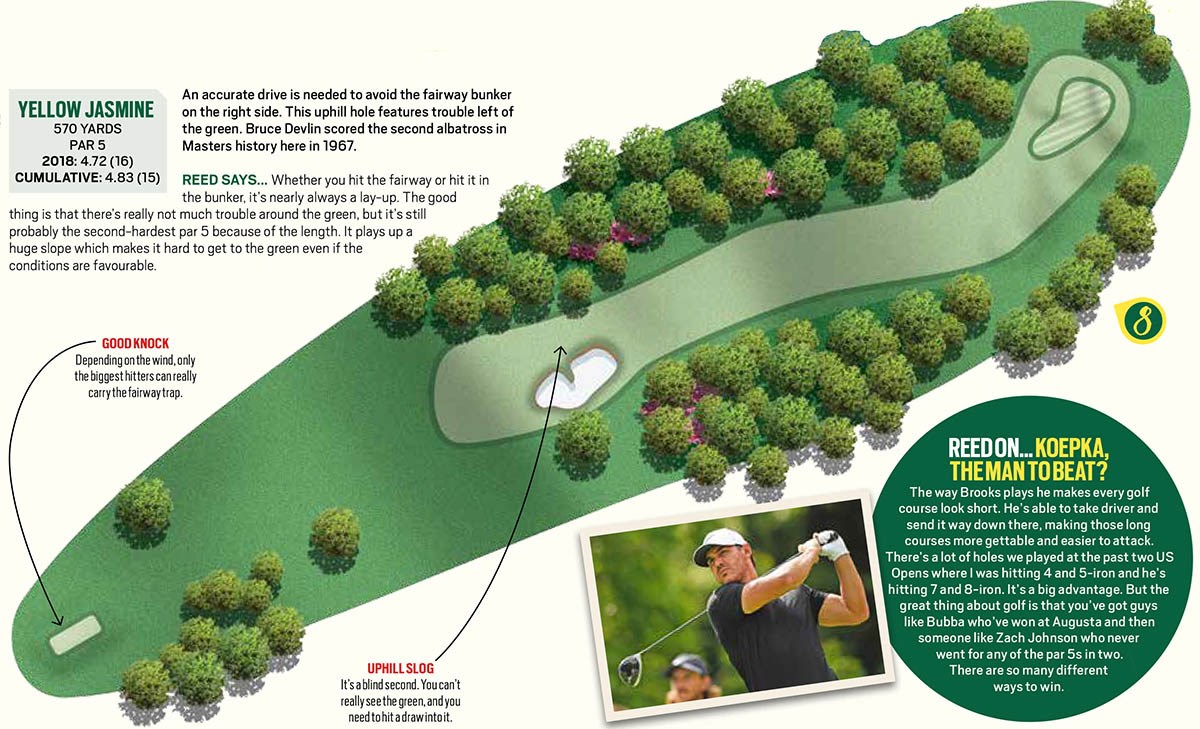
Hole No.8: Yellow Jasmine
Par 5: 570 Yards
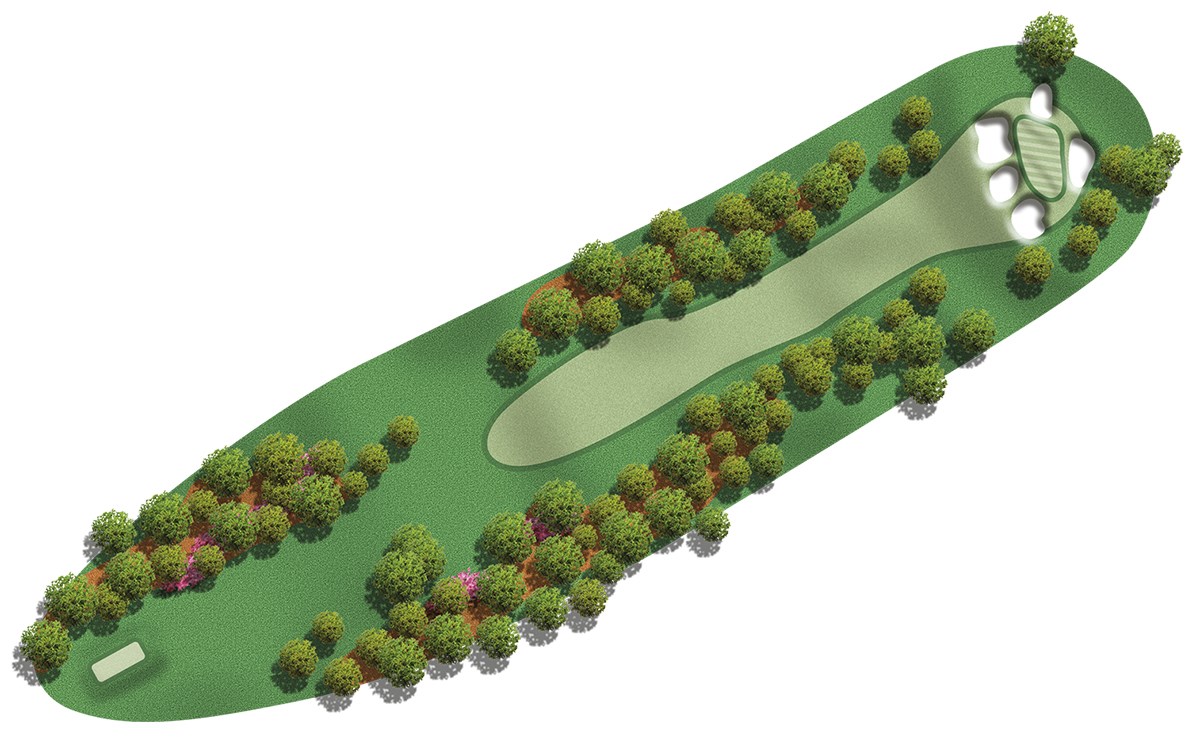
Off the tee on eight an accurate drive to miss the fairway bunker is key to giving yourself a chance of reaching the green in two. Dependent on the wind, it’s only really the big hitters that can carry the fairway trap, and even if you clear the trap, your approach shot into the green is blind and needs to be hit with a draw to get it onto the long narrow green.
There isn’t much danger by the green, it’s bunkerless, and is instead guarded by a series of mounds on the left and right side. A scoring average of 4.82 (15) puts this par 5 amongst the top 5 easiest holes on the course. Most players who can avoid the trees on either side and the fairway bunker should find themselves climbing the leaderboard on this hole with some good approach shots.

Hole No.9: Carolina Cherry
Par 4: 460 Yards
Finishing off the front nine up by the clubhouse, Carolina Cherry, the ninth hole is well known for its back-to-front sloping green that often gets the best of golfers in pressure moments. Tee shots are often forced down the right to open up the green on the approach shot avoiding two bunkers on the left side of the green. The bulk of the hole has no real danger and once again favors a draw to get the ball cambering down the sloped fairway.

The fun comes at the green, the heavy slopes and “false front” can cause serious pain in crucial parts of the round. Over the years we have seen many pin-seeking approach shots narrowly miss the hole and sadly end up back down in the fairway, which is often the case on this cruel ninth green. Even though the green is tough, for many players this hole is quite straightforward and is a nice hole to finish up on the front nine with a scoring average of 4.14 (12).

Hole No.10: Camellia
Par 4: 495 Yards
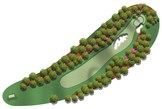
Many say that The Masters starts on the back nine, and thanks to the tenth hole it certainly does. The green slopes severely from right to left and is one of the reasons this is the hardest hole in Masters history. A long par 4 that turns steeply downhill with most players aiming for the center or the left of the fairway to give them the best chance on their approach to the green.

The fairway features a bunker that is nearly 60 yards long and used to be close to the green complex, but the green was moved and risen well above it to make the hole much more demanding. Traditionally this was the opening hole here at Augusta National, but the one thing that hasn’t changed is that it’s still the hardest hole on the course and has a Masters scoring average of 4.31 (1)

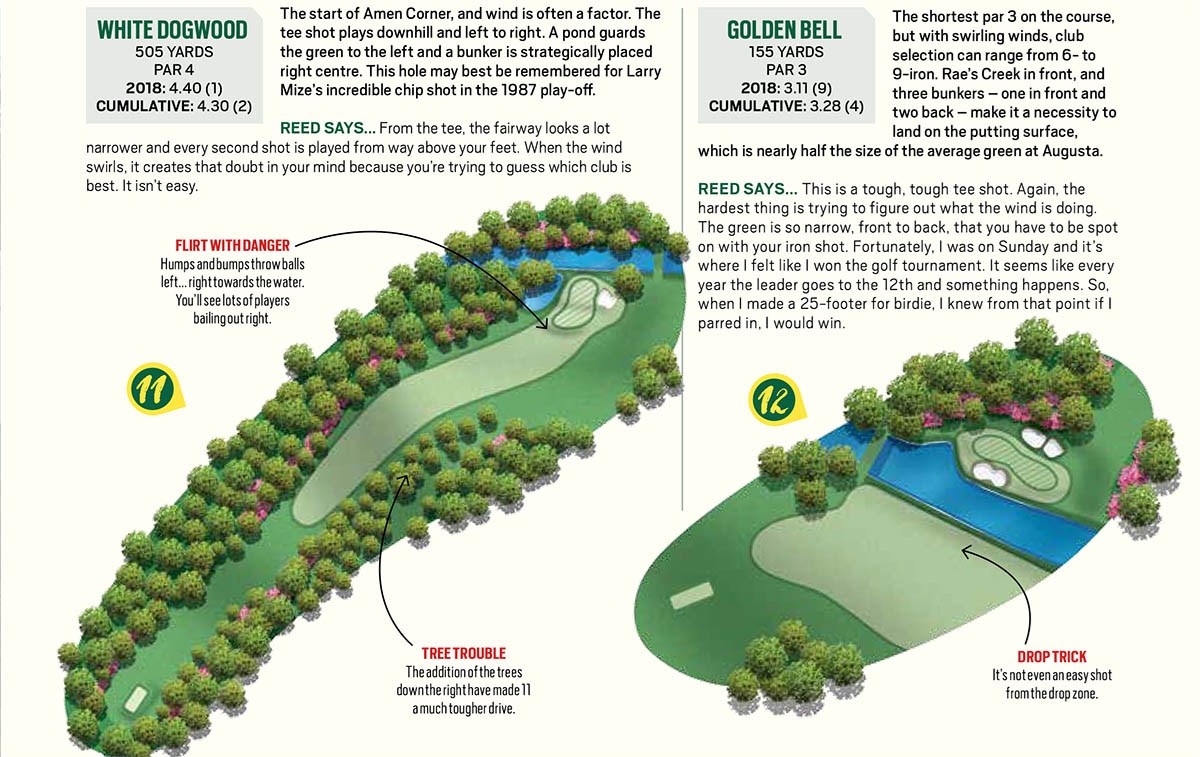
Hole No.11: White Dogwood
Par 4: 520 Yards
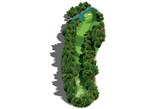
What a way to start the back nine! The hardest two holes back-to-back. Two par 4’s accumulating over 1000 yards. Hole 11 is the start of the treacherous Amen Corner, the place where many golfers’ rounds have come undone over the years. The tee shot on 11 plays slightly downhill from left to right and is a stretch to reach the green in two even for the best in the world.
The hole is full of danger left and right with thick trees lining both sides of the fairway, a pond guarding the left side of the green, Rae’s Creek is waiting for your ball if you go long, a bunker near the right center of the green, humps, bumps, and wind often plays a huge factor down the hill. A whole lot to contend with on such a difficult par 4 ranking the second hardest hole in Masters history and is often the hardest hole of the year for most competitors.

Hole No.12: Golden Bell
Par 3: 155 Yards
It’s not always about distance. The intricate and beautiful 12th hole is only 155 yards but history has proven that it’s one of the hardest at Augusta National. With a scoring average of 3.27, Golden Bell is the fourth hardest hole and has ruined many scorecards, most famously Jordan Spieth in 2016, where he turned a one-shot lead into a three-shot deficit with a quadruple bogey (7) with two balls going in Rae’s Creek from the tee and not so friendly drop zone.

Winds can see golfers hit anything from a mid to short iron, which is not ideal with the narrow green, looming water, and the glaring sand traps at the front and back of the green. The green here at the 12th is half the size of your average green at Augusta and leaves golfers desiring a shot that will land on the putting surface let alone next to the pin.

Hole No.13: Azalea
Par 5: 545 Yards
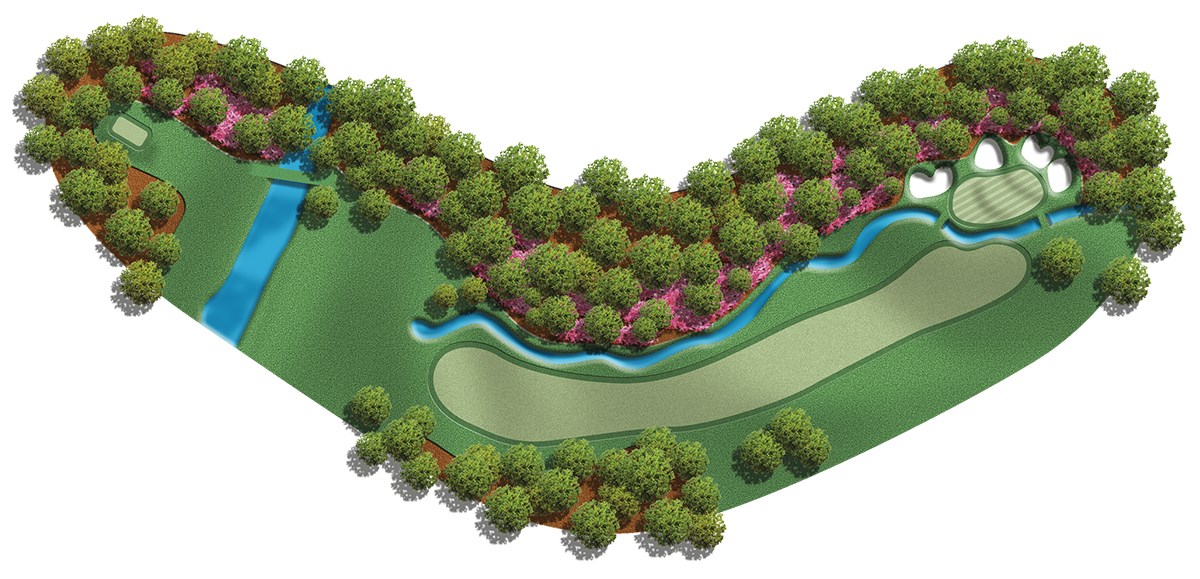
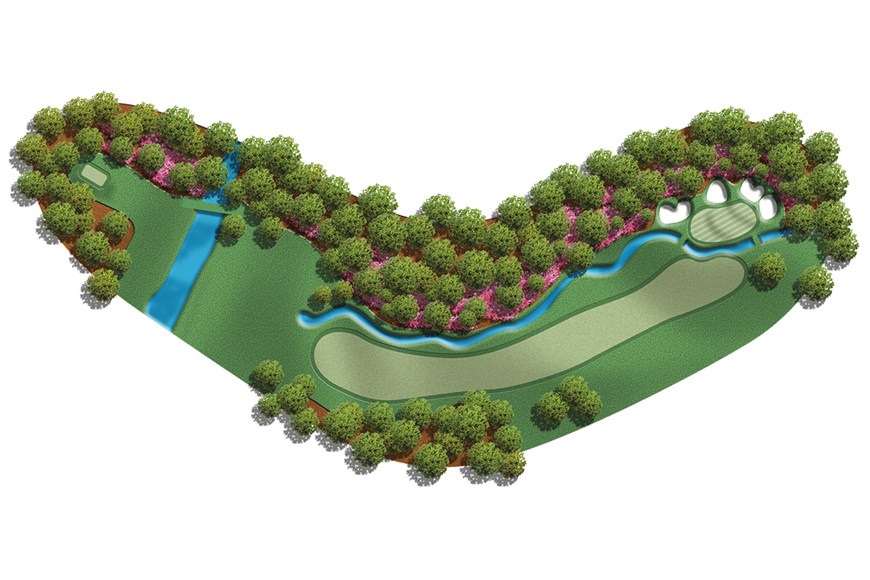
A hole that’s packed with danger from tee to green but many see it as a great opportunity for an eagle. The 13th hole at Augusta National is rewarding for most, the sweeping dogleg left requires an accurate tee shot to the center of the fairway to allow players to attack the green in two.

The 13th hole is historically the easiest on the course, and all sounds well and good. However, one of Rae’s Creek’s tributary’s winds in front of the green and has claimed countless balls at The Masters. Those brave enough to attack the green may be met with the four bunkers that protect the back of the green and if found can leave a horrible shot back down the fast green that runs back to the water.

Hole No.14: Chinese Fir
Par 4: 440 Yards
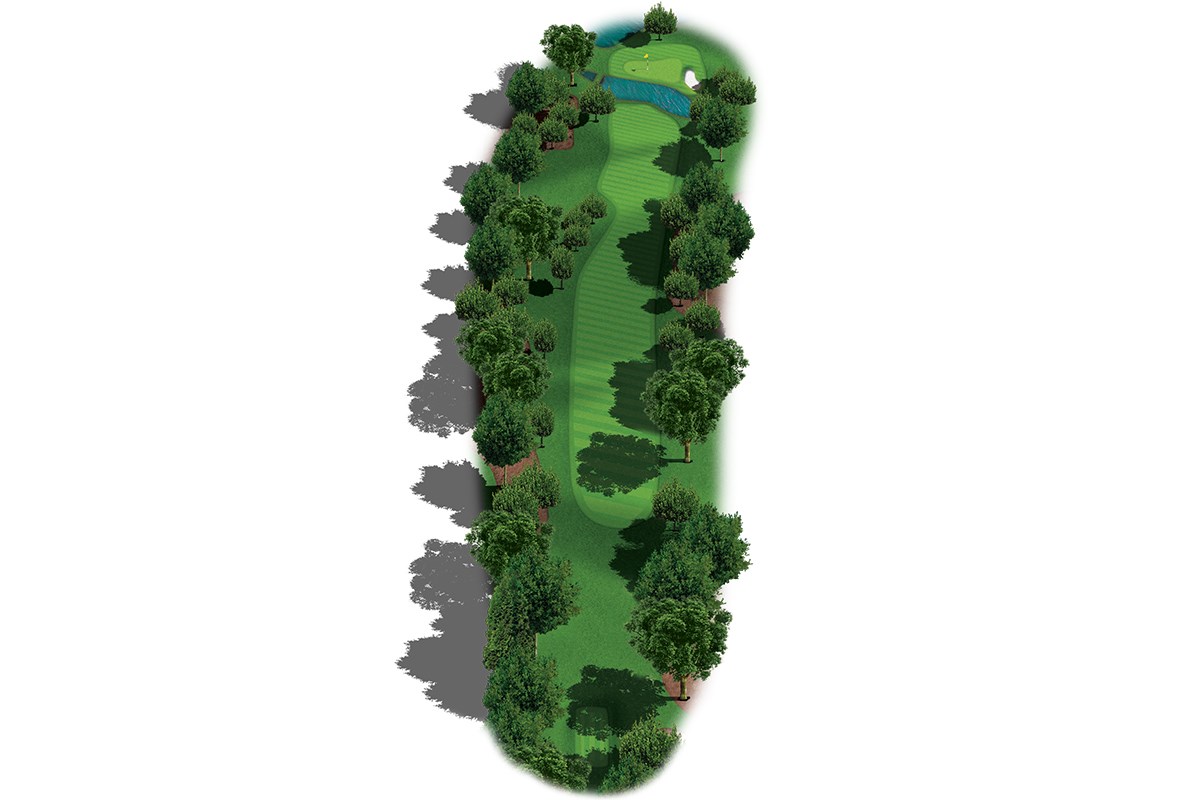
The only hole on the course without a bunker, on the face of it the 14th is a straightforward hole and if it’s played properly it can be a good scoring hole. A well-placed drive in the fairway will see the majority hitting a mid-iron into a large green which is where the problems can arise on this hole. A large green that has significant contours and tiers down sharply from left to right, so ball positioning with your approach shot can be vital to scoring well.
Apart from the obvious dangers at Augusta National of trees and sloping greens, there isn’t much to this hole that will cause players problems if they find the fairway off the tee. Statistically, the 14th has been in the top nine hardest holes on the course with a scoring average of 4.17 but if you can play the hole at level par over the week you should pick some points up on the field.

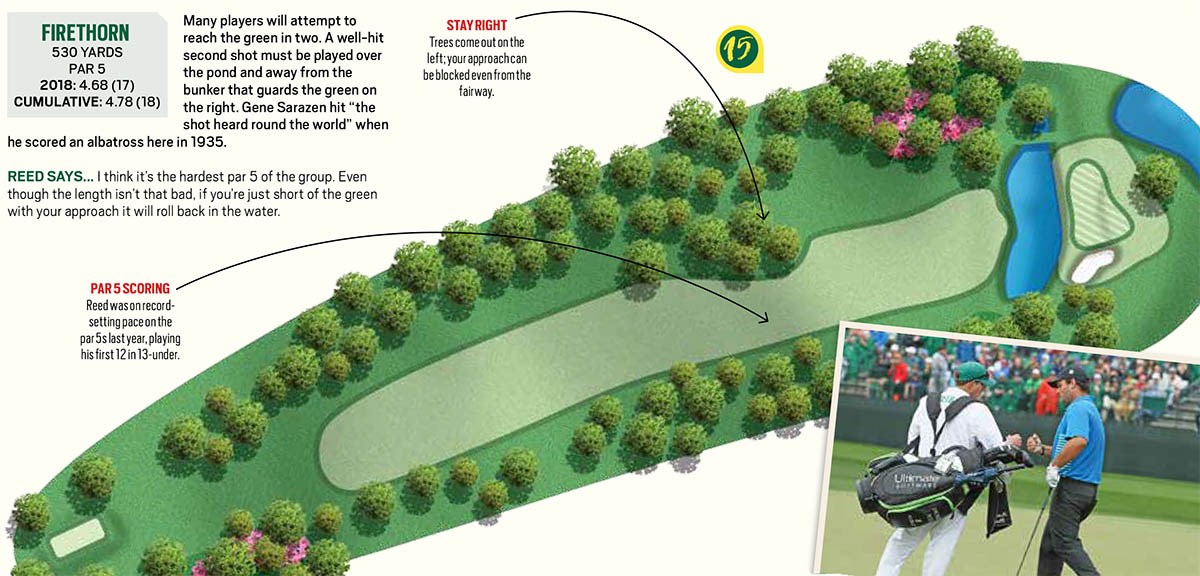
Hole No.15: Firethorn
Par 5: 550 Yards
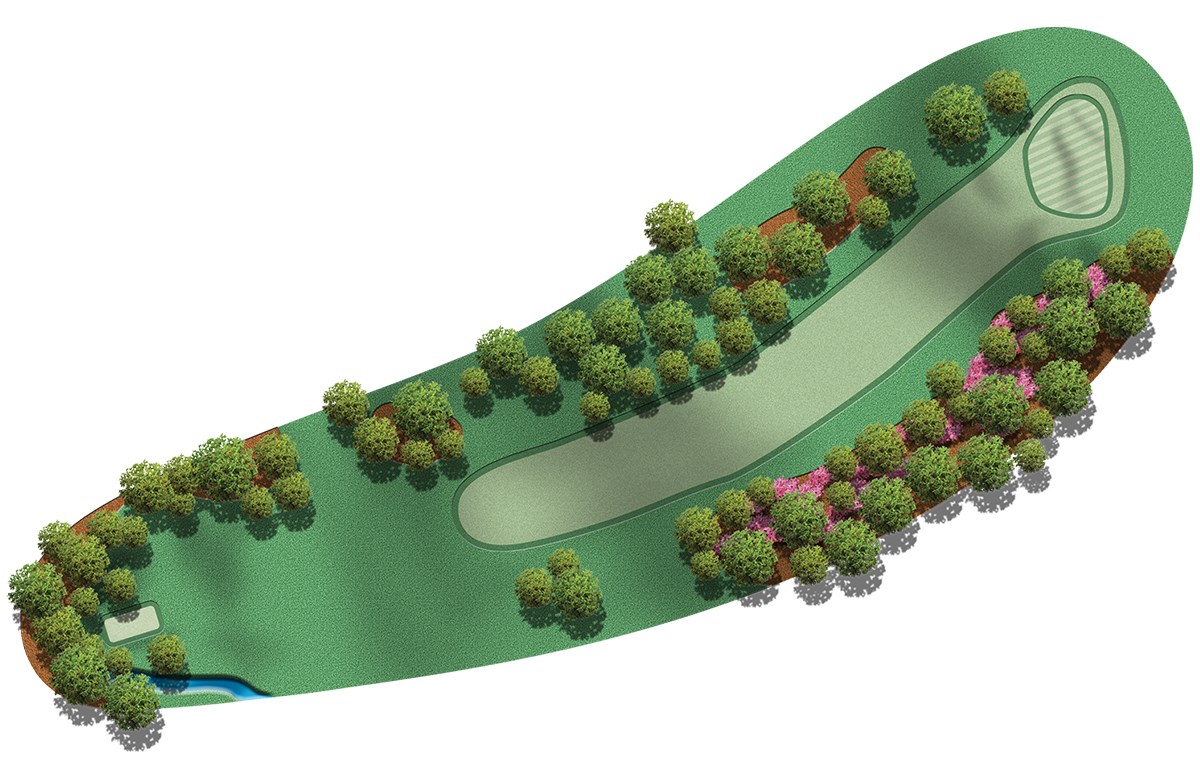
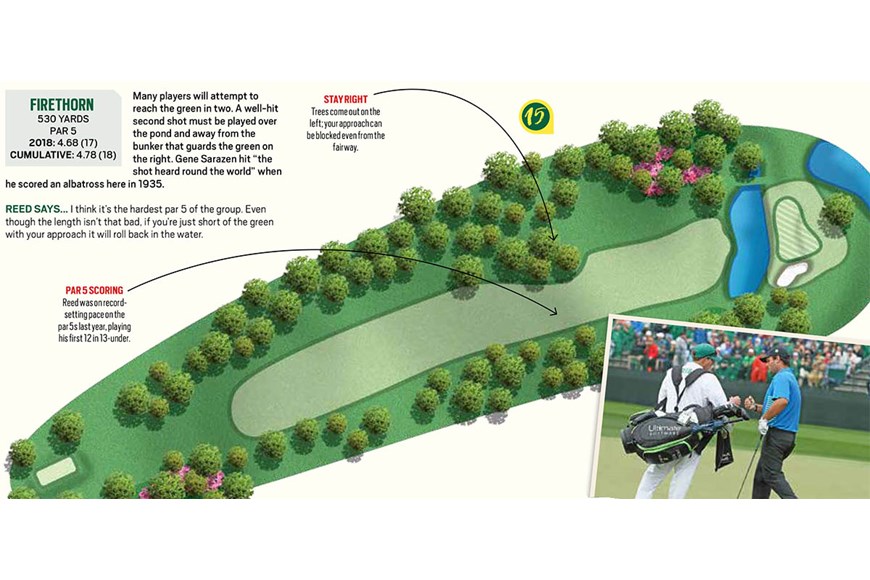
An opportunity to make a charge up the leaderboard, the 15th will have many players attempting to reach the green in two but as every hole here does it comes with its risks. A drive that finds the right center of the fairway will avoid the trees that protrude from the left. Then must be followed by a well-hit second that is played over the water and away from the bunker that guards the green on the right.
Over the years, the 15th has been one of the easiest holes on the course with a scoring average of 4.77 (17). If you hit two good shots you should find this to be the case, however, the water in front of the green has put the nail in multiple golfers’ coffins, claiming poor shots that don’t make the green or ones that spin back from the green over the low cut fringe, making sure your ball is in the middle or back of the green is vital.

Hole No.16: Redbud
Par 3: 170 Yards
The 16th has seen its fair share of aces over the decades with well over 20 recorded, and thanks to the friendly final day pin position that rewards a well-positioned approach shot. The hole is played entirely over water and is protected by three bunkers. The green slopes significantly from right to left, so understanding where to land the ball is key.
The scoring average of the 16th is 3.14 making it the 11th hardest hole on the course. The hole can be relatively friendly to those who find the green from the tee or for those that don’t it will require a little magic like Tiger Woods managed back in 2005 with one of the most famous shots ever.

Hole No.17: Nandina
Par 4: 440 Yards
The 17th is one of the tightest on the course and hitting the fairway is crucial to carding a good score, a fairway-finding drive at the crest of the hill will reveal a green protected by two bunkers. On your approach, it is vital that you find the right parts of the green, with the back right hole location being particularly demanding for players.
The back nine is more demanding with the majority of hardest holes taking up the home stretch. The 17th has played as the 9th hardest hole with a scoring average of 4.16, similar to other par 4’s at Augusta National if you can place yourself well off the tee you can have a great chance of scoring well. Avoid the trees on 17 and players have a great chance of finding the green but it can be challenging to get the ball anywhere near the green thanks to the complicated three-tiered complex.

Hole No.18: Holly
Par 4: 465 Yards
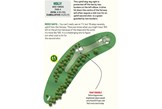
One of the most famous finishing holes in golf, the 18th hole at Augusta National, is an uphill dog-leg right which off the tee is protected by protruding trees on the right and two bunkers on the left elbow, which were once carryable before the course was lengthened. At 465 yards a drive hit down the center of the fairway will require a good mid-iron to hit the green which is guarded by two bunkers.

To score well on 18 you need to avoid these green side bunkers and understand the pin locations and where to land the ball, with the green having two distinct tiers. The scoring average is 4.23 making it the seventh hardest on the course and maybe made slightly harder with the pressure of the final hole at The Masters and the hundreds of patrons that surround the green.
MORE FROM THE MASTERS
– Augusta Icons: Amen Corner
– How you can play Augusta
– Everything the champion wins
– With anonymity guaranteed, the caddies reveal all about Augusta
Want to get the most from Today’s Golfer? Sign up for TG Membership!
About the author

Will Shreeve-Peacock
Golf Equipment Writer
Will Shreeve-Peacock is a golf equipment writer for todays-golfer.com, specializing in golf shoes, GPS watches, rangefinders, and training aids.
He has a degree in journalism from Sheffield Hallam university and four years of experience working in golf retail with American Golf. Will was part of the sales and fitting team, making him the perfect man to review golf equipment.
Trained by a range of manufacturers, including Titleist and TaylorMade, to enhance his product knowledge, Will has all of the skills required to recommend the perfect equipment for amateur golfers.
Will started playing golf more than a decade ago at Thorney Lakes Golf Club, Cambridgeshire and is now a member at Burghley Park Golf Club in Stamford, Lincolnshire. His handicap index is 5.8, largely thanks to his scratch-standard short game.
Away from golf, Will enjoys going to the gym, cooking, spending time with his friends, and watching his beloved Manchester United.
Will uses a Cobra LTDx Driver, Cobra LTDx 3-Wood, TaylorMade P790 2-iron, Callaway X Forged 18 Irons (4-PW), Wilson Staff Model Wedges (52°, 58°), TaylorMade White smoke IN-12 Blade putter and the TaylorMade TP5x Golf ball.
When he’s not testing golf shoes, he chooses to wear FootJoy Hyperflex or Under Armour Charged Phantom. He uses a Shotscope Pro L2 rangefinder and his favorite ever training aid is the PuttOut Pressure Putt Trainer and mat.
You can contact Will via email or follow him on Twitter here.
-
 Augusta National course guide, home of The Masters
-
 2nd hole at Augusta National.
-
 5th hole at Augusta National.
-
 9th hole at Augusta National.
-
 Hole 1 at The Masters.
-
 Hole 10 at The Masters.
-
 Hole 11 at The Masters.
-
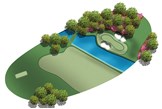 Hole 12 at The Masters.
-
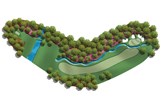 Hole 13 at The Masters.
-
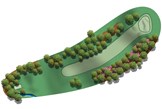 Hole 14 at The Masters.
-
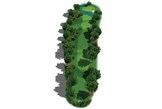 Hole 15 at The Masters.
-
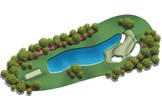 Hole 16 at The Masters.
-
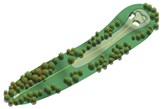 Hole 17 at The Masters.
-
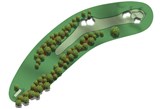 Hole 18 at The Masters.
-
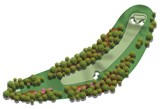 Hole 2 at The Masters.
-
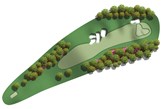 Hole 3 at The Masters.
-
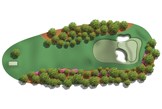 Hole 4 at The Masters.
-
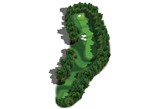 Hole 5 at The Masters.
-
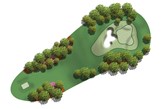 Hole 6 at The Masters.
-
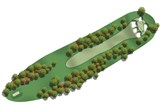 Hole 7 at The Masters.
-
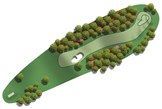 Hole 8 at The Masters.
-
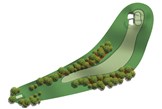 Hole 9 at The Masters.
-
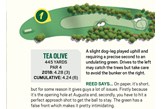 1st hole, Augusta National
-
 2nd hole, Augusta National
-
 3rd hole, Augusta National
-
 4th hole, Augusta National
-
 5th hole, Augusta
-
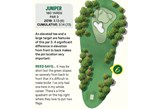 6th hole, Augusta National
-
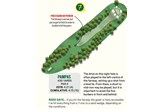 7th hole, Augusta National
-
 8th hole, Augusta National
-
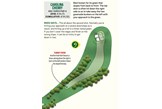 9th hole, Augusta National
-
 Patrick Really eed
-
 10th hole, Augusta National
-
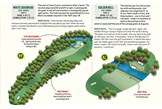 Hole 11 and 12, Augusta National
-
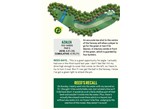 13th hole, Augusta National
-
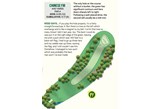 14th hole, Augusta National
-
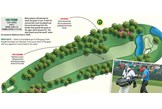 15th hole, Augusta National
-
 16th hole, Augusta National
-
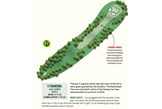 17th hole, Augusta National
-
 18th hole, Augusta National